Where the River Meets the Sea: Unveiling the Mouth of the River Exe
FactsWhere the River Meets the Sea: Unveiling the Mouth of the River Exe
Ever wondered where a river really ends? I mean, it’s not always as simple as a dramatic waterfall plunging into the ocean. Take the River Exe, for instance. It winds its way for a good 60 miles from Exmoor, right through Devon, before finally… well, meeting the sea near Exmouth. But “meeting” is the key word here, because it’s not just a straight shot into the English Channel.
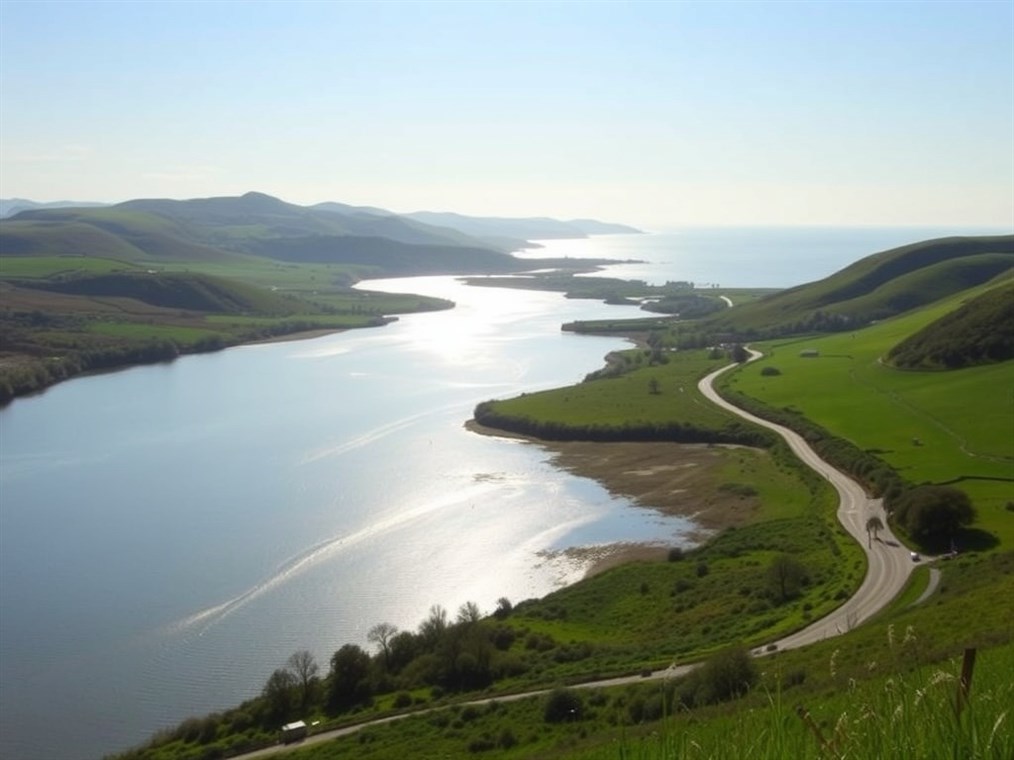
Instead, the Exe sort of meanders into what’s called an estuary – the Exe Estuary, to be exact. Think of it like this: imagine the river valley getting flooded way back when, after the Ice Age. That’s essentially what a ria (like the Exe Estuary) is: a drowned river valley. This makes the estuary surprisingly large, especially when you consider the river itself isn’t that massive.
This lovely estuary kicks off just south of Exeter and stretches about eight miles towards the sea. You’ve got all these charming little towns dotted along its edges – Topsham, Exton, Lympstone… the list goes on! Even the smaller River Clyst joins the party, flowing into the estuary as well.
Now, for the million-dollar question: where exactly does the river become the sea? Well, most people agree it’s somewhere between Exmouth, on one side, and Dawlish Warren, on the other. Exmouth is a proper seaside town, sitting pretty right at the estuary’s mouth. And opposite it, you’ve got Dawlish Warren, famous for its sand spit that stretches out, almost like a protective arm, across the estuary’s opening.
This whole area is buzzing with activity, especially if you’re into watersports. Sailing, windsurfing, you name it – it’s all happening here. And during the summer, you can even hop on a ferry from Exmouth to Starcross, which is a rather delightful way to see where the river kisses the sea.
But it’s not just about the fun and games; the Exe Estuary is a big deal for wildlife. When the tide goes out, it reveals these amazing mudflats that are like a buffet for wading birds. Seriously, in winter, it’s a birdwatcher’s paradise! That’s why it’s protected as a Special Protection Area, a Site of Special Scientific Interest, and even a Ramsar site. It’s internationally recognised as a crucial place for conservation.
So, there you have it. The mouth of the River Exe? It’s that magical spot where the Exe Estuary flows into the English Channel, nestled between Exmouth and Dawlish Warren. It’s more than just the end of a river; it’s a vibrant, bustling place, teeming with life and stories. A place where the river’s journey transforms into the sea’s embrace.